🕘
Today
Not listed
⏱
Time needed
—
🎟
Entry from
Free / check locally
🚏
Nearest stop
Tripoliya Bazar · 186 m
🚌 Get there by bus
Pick where you are starting from — we will find direct buses and where to change.
Nearest bus stops
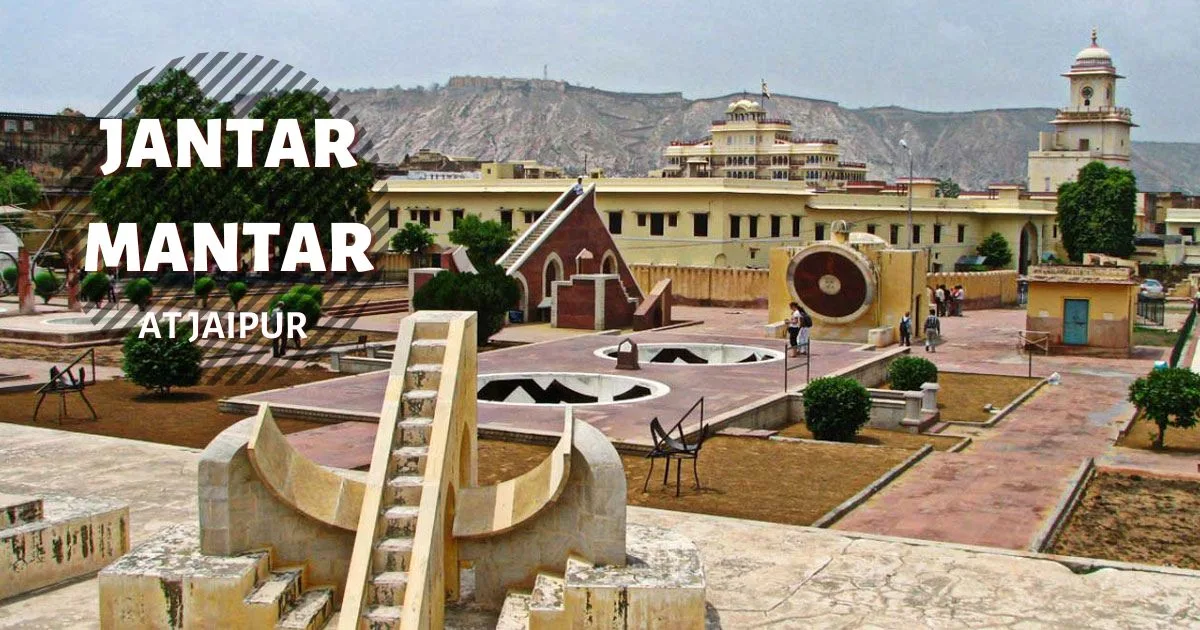
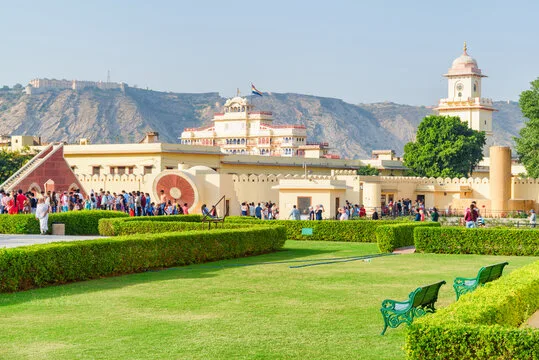
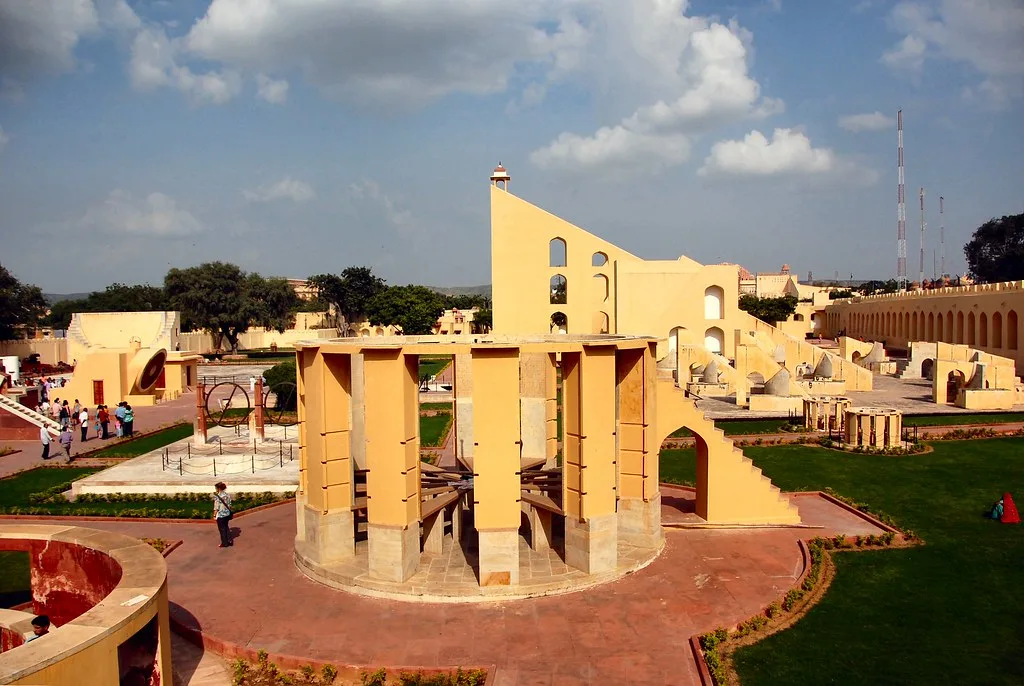
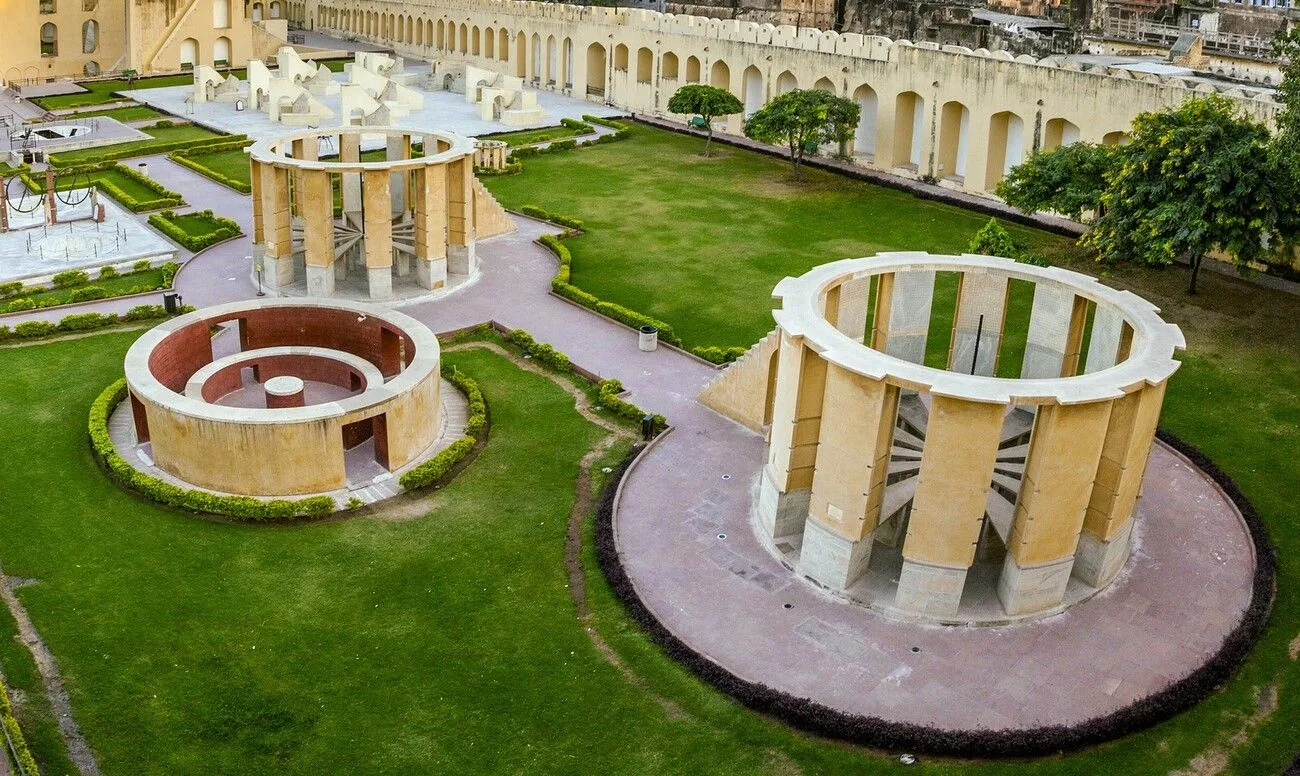
About Jantar Mantar
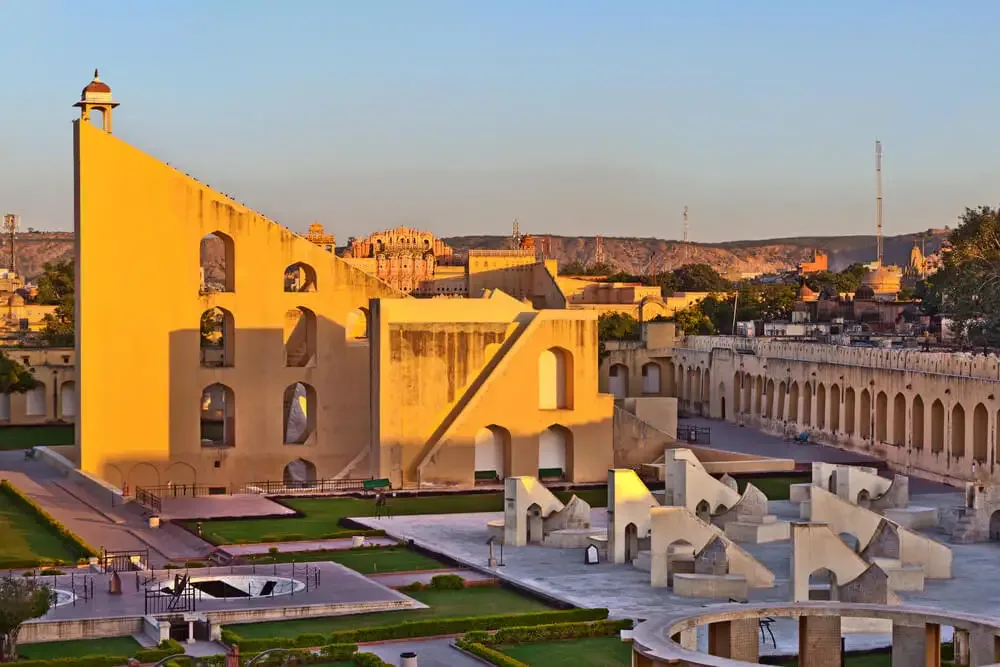
The name Jantar Mant in Jaipur is derived from Jantar (yantra, Sanskrit: यन्त्र, “instrument, machine”), and mantar (from mantrana, Sanskrit: मन्त्रण, “consult, calculate”). Therefore, Jantar Mantar literally means ‘calculating instrument’.
When Jai Singh began constructing the Jantar Mantar in Jaipur is unknown, but several instruments had been built by 1728, and the construction of the instruments in Jaipur continued until 1738. In 1735, when construction was at its peak, at least 23 Astronomers were employed in Jaipur, and due to the changing political climate, Jaipur replaced Delhi as Jai Singh’s main observatory and remained Jai Singh’s central observatory until his death in 1743. The observatory lost support under Isvari Singh (r.1743-1750) because of a succession war between him and his brother.
🖼 Photos